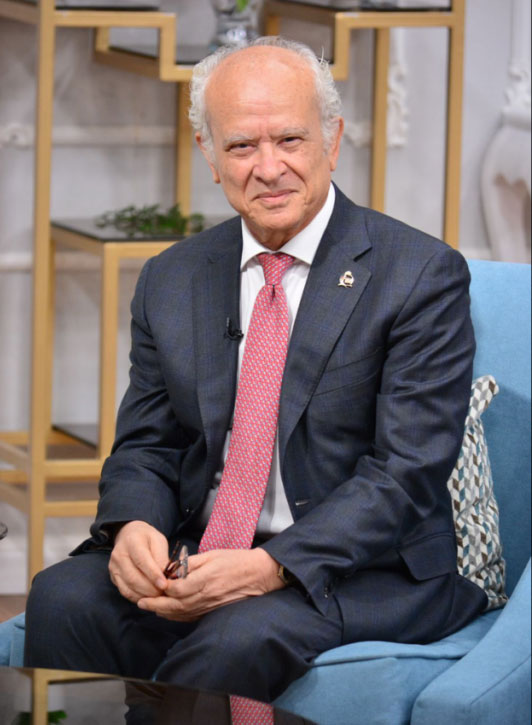
On February 3 (in person, Jeddah) and February 4 (online), ASTANEER held its first Majlis, welcoming over 50 participants in a thoughtful and engaging discussion about the evolution of medicine and the future of health.
The session explored how medicine has evolved over centuries — from the holistic foundations of the Hippocratic school, where health was understood as a dynamic balance influenced by the body, environment, habits, and temperament — to today’s highly advanced technological era of subspecialties, laboratory diagnostics, and sophisticated imaging.
While modern medicine has achieved extraordinary progress in acute care, organ-based treatment, and life-saving interventions, the conversation invited participants to reflect on an important question:
Have we, in the process, narrowed our understanding of health?
In many systems today, care is often organized around organs, laboratory values, and imaging findings, with less emphasis on food, physical activity, emotional life, and the profound interaction between mind and body. The Majlis created space to explore how we might integrate scientific advancement with a broader, more human-centered view of health.
From Concept to Practice: The “Observer” Tool
Beyond the lecture, participants engaged in a guided reflection exercise introducing the “Observer” tool — a simple but powerful method of noticing and labeling thoughts and emotions without immediate reaction.
The exercise invited attendees to step back from automatic patterns and cultivate awareness. By learning to observe thoughts and emotional responses with clarity, we begin to interrupt patterns that may not serve our growth, health, or wellbeing.
The open discussion that followed was rich, honest, and energizing. Participants expressed enthusiasm about continuing this journey together and deepening their understanding in future sessions.