Meet the Founder
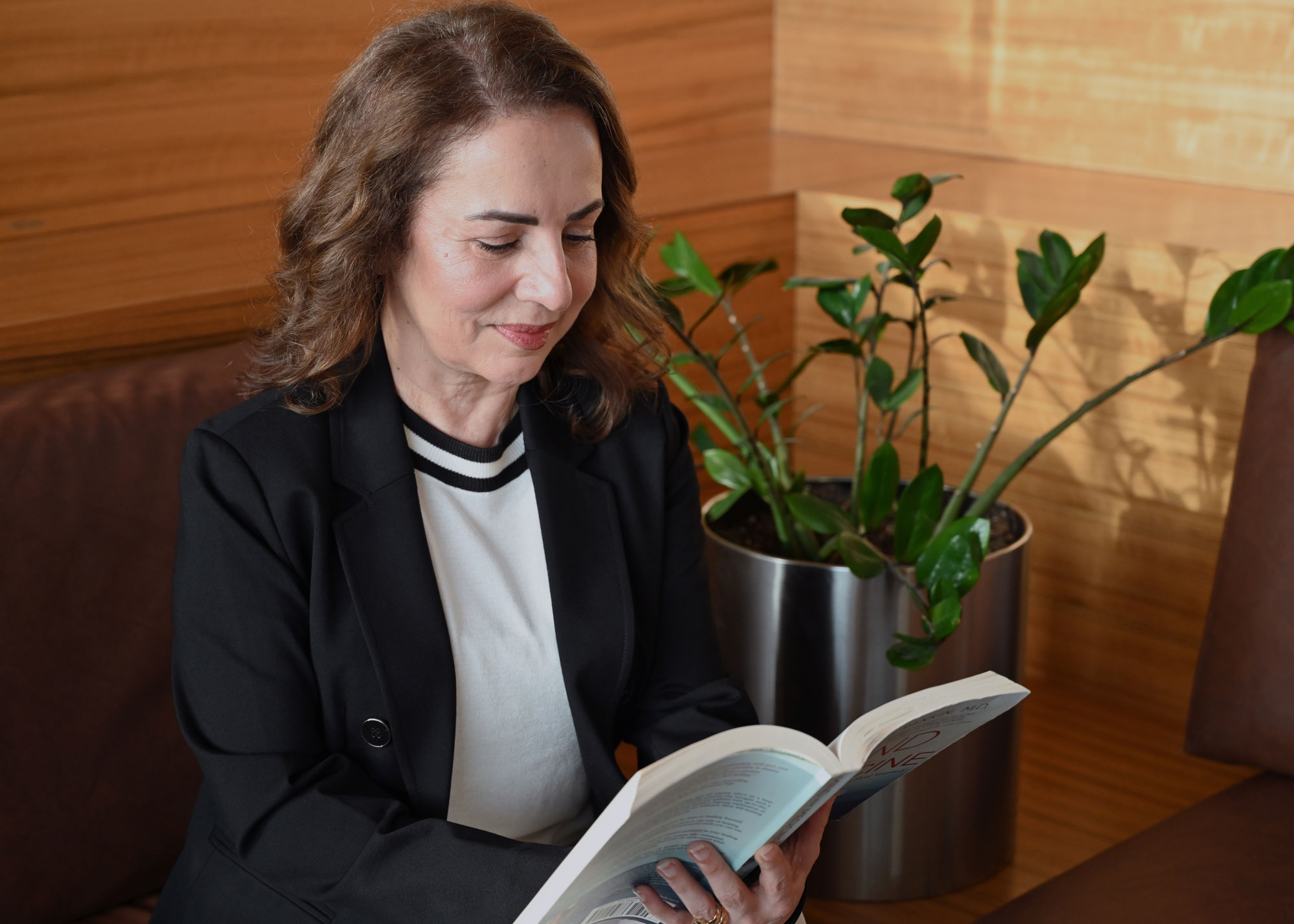
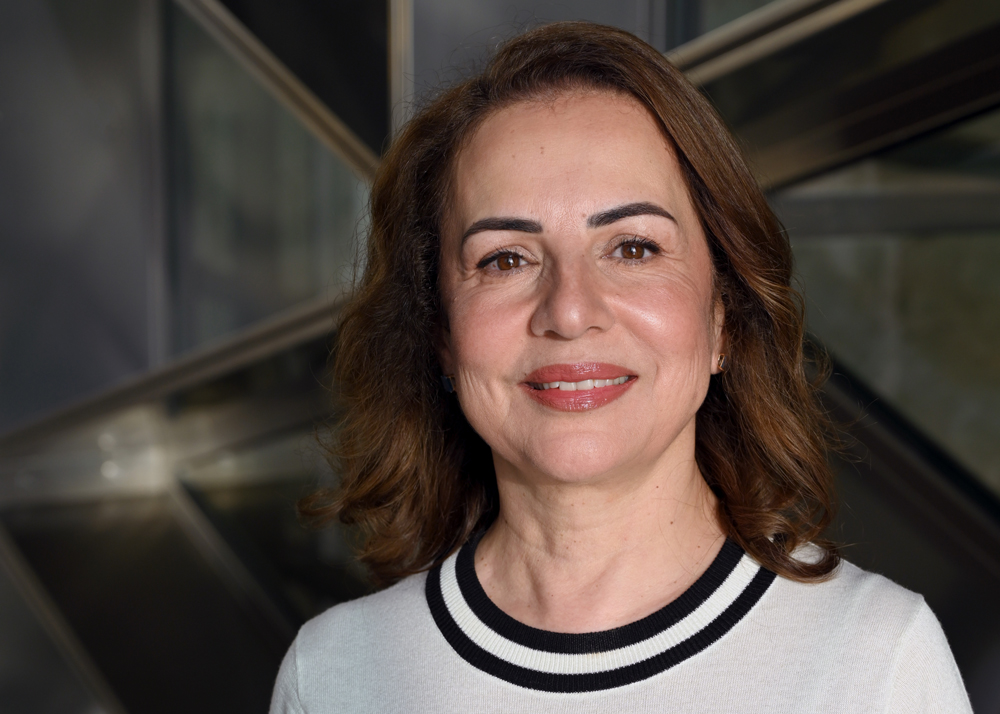
Dr. Fadwa Attiga
Your Journey to a Fulfilling Life
Scientist. Strategist. Patient Advocate. Educator.
Meet the Founder
Dr. Fadwa Attiga
Dr. Fadwa Attiga
Scientist. Strategist. Patient Advocate. Educator.
Your Journey to a Fulfilling Life
Unlock Your True Potential With Life Coaching Services
Unlock Your True Potential With Life Coaching Services
Dr. Fadwa Attiga is an Arab American scientist, executive leader, educator, and Board-Certified Patient Advocate with more than two decades of experience advancing cancer control, clinical research, precision medicine, health policy, and healthcare innovation across the Middle East and the United States.
Throughout her career, she has worked at the intersection of science, healthcare systems, research, and public health—contributing to national cancer control initiatives, research infrastructure development, biobanking, precision medicine programs, and healthcare transformation efforts.
Her professional journey has included leadership roles across academic institutions, cancer centers, government initiatives, nonprofit organizations, and the private sector, providing a unique perspective on both the scientific and human dimensions of cancer care.
Why ASTANEER Was Created?
Throughout my career, I have worked with cancer centers, researchers, healthcare leaders, patients, and families. While medicine continues to advance, I repeatedly witnessed the same challenge: people often feel overwhelmed, disconnected, and alone in the experience of illness.
ASTANEER was created from a belief that science and human connection are not separate—they are strongest when they work together. Behind every diagnosis is a person with their own story, values, relationships, fears, strengths, and hopes. When we place the human being at the center of care, we create opportunities not only for better health outcomes, but also for greater understanding, resilience, and wellbeing throughout the journey.
After years of working in oncology, one observation became impossible to ignore. Healthcare systems often become highly skilled at treating disease, yet many individuals and families continue to struggle with the human experience of illness.
Patients are frequently expected to make important decisions while overwhelmed by information, uncertainty, fear, and rapidly changing circumstances. Families and caregivers often carry tremendous responsibilities without adequate guidance or support. And despite remarkable advances in medicine, many people still feel lost in the journey.
ASTANEER was created to help bridge this gap.
It was built on a simple but powerful belief:
The disease is part of the story. The person is the center of the story.
While medicine focuses on diagnosing and treating disease, ASTANEER focuses on empowering individuals, families, communities, and healthcare organizations to better support the human being living through the experience.

A Human-Centered Approach to Cancer Care

At ASTANEER, we believe that excellent cancer care requires more than excellent treatment.
It requires informed patients.
Empowered families.
Compassionate support systems.
Health literacy.
Meaningful communication.
And recognition that health and healing involve the whole person—body, mind, and soul.
This perspective does not replace science. It builds upon it.
By combining evidence-based knowledge with practical tools, education, advocacy, and human connection, ASTANEER seeks to help people actively participate in their health and healing journey.
Areas of Expertise
- 20+ years leading cancer control, healthcare transformation, research, and innovation
- Leadership across government, academia, nonprofit organizations, and industry
- International experience spanning the Middle East and the United States
Education & Credentials
- PhD in Oncology, George Washington University (USA)
- Board Certified Patient Advocate (BCPA)
- Executive education in Artificial Intelligence in Healthcare (MIT)